
If you’re wondering, “What is Rapamycin?” then you’ve come to the right place. Read on to learn more about Rapamycin’s Mechanisms of Action, Side Effects, and Precautions. Despite being an old drug, Rapamycin is still gaining popularity and a number of new studies are underway. Here’s a look at the latest research on the topic. Continue reading to learn more about Rapamycin!
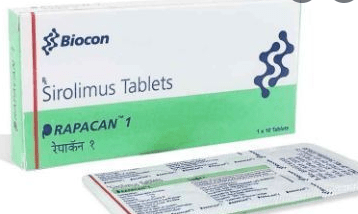
Buy Rapamycin
Rapamycin
In animal models, rapamycin increased the number of SFB. But has rapamycin also been shown to have detrimental effects on the microbiome? This article reviews a number of studies involving rapamycin and the microbiome. Hopefully, this review will help you to understand the role of this antibiotic in a mouse model of gastrointestinal disease. And remember that it’s not always the dose that makes a difference.
The name “autophagy” comes from ancient Greek and describes the process by which cells break down non-functional organelles. In some cases, autophagy can eat organelles that are not required to carry out a particular function, but it usually serves a protective role. And, rapamycin may actually help improve your health by inducing autophagy in your cells. And this could help explain why it is linked to longer lifespans.
Researchers have synthesized a variety of novel rapalogs that display improved pharmacological profiles and stability. In fact, some of these molecules have the potential to be useful alternatives to rapamycin, especially in the treatment of neurodegenerative disorders and cancer. Furthermore, they eliminate the immunosuppressive effects of rapamycin. If you’re looking for a better alternative to rapamycin, consider these novel rapalogs.
A recent study in mice suggests that rapamycin can increase lifespan in multiple species. A previous study found that mice treated with the drug lived an average of two months longer than normal. That’s about 140 years! More research is needed to determine if rapamycin can prolong lifespan in humans. It’s important to remember that the effects of rapamycin are only temporary and not long-term. And that it’s still too early to tell whether the drug will affect the development of disease in humans.
Side effects
While the FDA has approved rapamycin for use in cancer patients, it also causes some side effects. Some patients may develop infections, diabetes, or even cancer after receiving rapamycin. It may be helpful for some other medical conditions, such as aging. Rapamycin’s manufacturer, Novartis, says the risks are largely due to the disease itself. However, Kaeberlein believes that these are not true side effects and are more likely related to the patients’ underlying condition.
In mice, rapamycin was reported to extend the lifespan and reduce neoplastic tumor growth. This research changed how scientists thought about aging. It provided the first evidence that pharmacological agents may affect aging later in life. During the past decade, rapamycin research has increased exponentially. Researchers are now studying the drug’s effects on biochemical processes and physiological functions. It has the potential to significantly extend lifespans in humans.
Other studies have demonstrated that rapamycin suppresses the expression of senescence markers such as SA-b-gal. This inhibitor suppresses the production of proinflammatory cytokines by senescent cells, a condition known as pulmonary fibrosis. This effect was observed in two independent studies, as Chen et al. showed that rapamycin inhibited the expression of SASP and senescent pulmonary fibroblasts.
However, rapamycin’s effectiveness in reducing the production of apoptotic cells has been questioned. In addition to promoting cell growth, rapamycin also has side effects. For example, in transgenic mice, rapamycin increased the lifespan. However, this effect was not observed in mice lacking apolipoprotein Ee4 (APOE4). Moreover, the drug’s effect on APOE4 mice in humans was also studied by Tramutola et al.
Mechanisms of action
The mechanism of action of Rapamycin is largely unknown, but it is known to inhibit the mammalian target of rapamycin (mTOR), also known as FRAP or RAFT1. It targets mTOR through immunophilin FK506 binding protein 12, which blocks the signaling pathways that regulate cell growth and cell cycle progression. Rapamycin also inhibits a protein known as 4E-BP1 and 40S ribosomal protein (S6K1).
In a recent study, researchers studied the effects of rapamycin on the growth-associated protein 43, a protein associated with nerve regeneration and migration. They determined that FK-506 promoted phosphorylation of GAP43. In contrast, Rapamycin did not influence the proliferation or migration of fibroblasts. Therefore, it remains unclear if Rapamycin regulates the migration and proliferation of Schwann cells.
In addition, the researchers found that rapamycin inhibits cell growth by increasing the amount of TP in adipose tissue. This activity was blocked in Colo320 cells that did not contain TP. This demonstrates that TdR is incorporated into DNA, resulting in a protective effect. Furthermore, TdR monophosphate is incorporated into DNA, stimulating cell proliferation. The effects of TdR monophosphate are inhibited by TPI, a type of antibiotic that prevents TdR from acting.
The results of the current study also showed that Rapamycin promotes autophagy in glioma cells through the DAPK1 and miR-26a-5p signaling pathways. Further, Rapamycin inhibits the proliferation of cancer cells in glioma patients. Rapamycin’s role in tumor growth has implications for clinical trials and further research is needed to determine how the drug can be best used in the clinic.
Precautions
There are several important precautions that need to be followed when taking Rapamycin. Rapamune is known to interfere with fertility. It is therefore important to inform your doctor if you are planning to become pregnant or are already pregnant. If you are already taking Rapamune, you should consult with your healthcare provider. Rapamune should not be taken with other drugs that affect the functioning of CYP3A4 or P-gp enzymes.
Sirolimus Rapamycin may cause side effects, but not all of them are serious. If you are taking more than the recommended dose, contact your doctor immediately. This could cause a poisoning or other serious side-effects. If you are taking this medication for a medical condition that requires urgent attention, go to the emergency room. Be sure to bring the medicine box or label. If you have any doubts about its safety, consult your healthcare provider or the local food and drug administration authority.
The potential for insulin resistance is a serious concern with this drug. Some studies have shown that it extends animal life. However, rapamycin can also cause insulin resistance. The drug is approved for diabetes treatment but does not target age-related conditions. However, there is little evidence in humans to back this claim. As an anti-aging drug, it has already demonstrated its effectiveness in preventing age-related diseases in animals.
Dosage
The Dosage of Rapamycin varies according to its effect on various cancer types. Studies conducted in mice at the prime of their rodent lives (270 days) showed that rapamycin extends the lives of these mice by as much as 20%. However, the study’s formulations had some issues, leading to the drug’s lack of useful blood levels. Encapsulated rapamycin has the added advantage of being able to pass through the upper intestinal wall. The NIH group failed to achieve useful blood levels in the study. As a result, the cohort of mice aged faster than planned.
The drug is prepared in a solution containing a hydrolytically or enzymatically labile covalent bond. This mixture is then combined with a degradable polymer. The resulting material is then applied to the exterior surface of the target vessel. Rapamycin is released from the polymer in a controlled fashion, as it is a diffusion-controller. The polymer used in this procedure may be diluted and is often combined with other drugs.
 tursted finance blog